



Always Free Delivery
Email:sales@petshopboss.com
Worldwide delivery
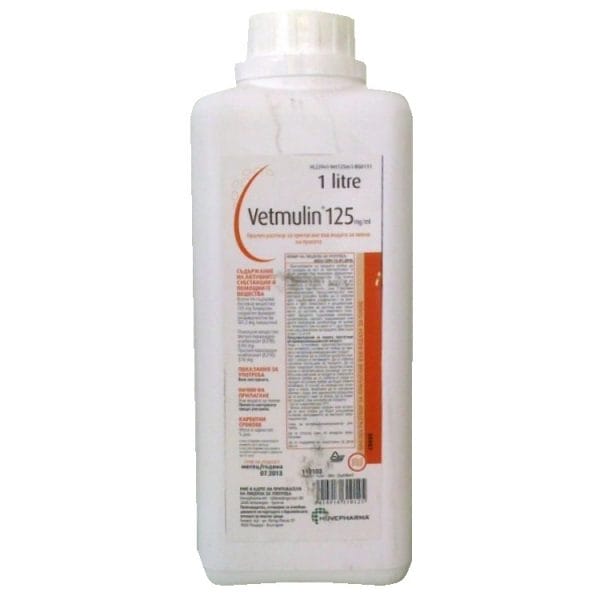
VETMULIN 125 mg/ml (Tiamulin hydrogen fumarate) Oral Solution For Pigs
10 people are viewing this product right now
🔥 7 items sold in last 3 hours
Hot Items
-

-
Levothyroxine For Dogs - FORTHYRON 250 Tablets
Price range: $63 through $110 -


VETMULIN 125 mg/ml: A Comprehensive Product Description for Veterinary Use
1. Introduction
VETMULIN 125 mg/ml represents a significant veterinary medicinal product formulated as a liquid concentrate or oral solution designed for administration via the drinking water of swine and chickens, specifically laying hens 1. The active pharmaceutical ingredient in this formulation is tiamulin hydrogen fumarate, present at a concentration of 125 mg per milliliter 1. This antibiotic plays a crucial role in the therapeutic management and prevention of specific bacterial infections that commonly affect these production animal species 1. It is imperative that the utilization of VETMULIN 125 mg/ml is conducted under the professional guidance of a qualified and licensed veterinarian. Furthermore, strict adherence to the instructions and guidelines provided on the official product label and within the prescribing information is essential to ensure the safe and effective use of this medication 1. The strategic application of VETMULIN can contribute significantly to maintaining the health and productivity of swine and laying hen populations by addressing both active disease states and mitigating the risk of future outbreaks 4. The species-specific formulation underscores the importance of targeted treatment strategies in veterinary medicine, acknowledging the unique physiological and pathological considerations within different animal populations 2.
2. Composition
VETMULIN 125 mg/ml is characterized by its precise composition, with the active component being tiamulin hydrogen fumarate present at a concentration of 125 mg in each milliliter of the solution 3. Tiamulin hydrogen fumarate is a semi-synthetic antibiotic that belongs to the pleuromutilin class, a group of diterpene antibiotics 3. This classification is important as it distinguishes tiamulin from other commonly used antibiotic classes and provides insight into its unique mechanism of action. In addition to the active ingredient, the formulation of VETMULIN 125 mg/ml includes several excipients that contribute to the stability, solubility, and overall quality of the product. These excipients include methyl parahydroxybenzoate (E218) at a concentration of 0.90 mg/ml and propyl parahydroxybenzoate at a concentration of 0.10 mg/ml, which act as preservatives 3. Disodium phosphate anhydrous is also present, likely functioning as a buffering agent to maintain the optimal pH of the solution 3. Ethanol 96% is included in the formulation and may serve as a solvent or contribute to the preservative properties 3. The vehicle for the solution is either purified water or water for injection, ensuring the appropriate consistency and purity of the final product 3. The physical appearance of VETMULIN 125 mg/ml is that of a clear liquid, which may exhibit a color ranging from colorless to a slightly yellow hue 4. The inclusion of parabens as excipients is a notable aspect of the composition, as these compounds are known allergens in some individuals and animals, necessitating appropriate warnings regarding potential hypersensitivity reactions 3. The semi-synthetic nature of tiamulin hydrogen fumarate, derived from a natural source and chemically modified, often results in enhanced pharmacological properties compared to the original compound 3.
3. Mechanism of Action
Tiamulin hydrogen fumarate, the active component of VETMULIN 125 mg/ml, exerts its antibacterial effects primarily through a bacteriostatic mechanism, inhibiting the growth and multiplication of susceptible bacteria rather than causing direct bacterial cell death 3. This action is achieved by specifically targeting the bacterial protein synthesis machinery at the ribosomal level. Tiamulin binds with high affinity to the 70S ribosome, a crucial component responsible for translating genetic information into proteins within bacterial cells 3. The precise binding site of tiamulin is located on the large ribosomal subunit, in close proximity to the peptidyl transferase center 3. By binding to this specific region, tiamulin inhibits the activity of peptidyltransferase, an enzyme essential for the formation of peptide bonds during protein synthesis 3. This disruption of enzymatic function leads to a blockage in the production of vital bacterial proteins, ultimately arresting bacterial growth and replication 3. Tiamulin exhibits a specific spectrum of antibacterial activity, demonstrating efficacy against a range of microorganisms that commonly affect swine and poultry. These include pathogenic Mycoplasma species such as Mycoplasma gallisepticum, Mycoplasma synoviae, Mycoplasma meleagridis, and Mycoplasma iowae, which are significant pathogens in these animal populations 9. Additionally, tiamulin is active against most Gram-positive bacteria, including species of Staphylococcus and Streptococcus, as well as Haemophilus spp. and obligate anaerobic bacteria 9. It is important to note that tiamulin generally shows limited or no significant activity against the majority of Gram-negative bacteria 9. This characteristic is crucial for understanding the appropriate clinical applications of VETMULIN and the need for accurate pathogen identification. The mechanism of action of tiamulin differs significantly from that of other common antibiotic classes, such as beta-lactams like amoxicillin. Beta-lactam antibiotics inhibit bacterial cell wall synthesis by targeting penicillin-binding proteins, a mechanism that is ineffective against bacteria like Mycoplasma that lack a cell wall 16. The selective inhibition of bacterial protein synthesis by tiamulin at the 70S ribosome provides a rationale for its specific spectrum of activity and distinguishes it from antibiotics that target other essential bacterial processes 3. The bacteriostatic nature of tiamulin implies that the resolution of the bacterial infection is also dependent on the host animal’s immune system, which plays a crucial role in eliminating the inhibited bacteria 3.
4. Indications
VETMULIN 125 mg/ml is indicated for the treatment and prevention of specific bacterial diseases in swine and chickens (laying hens) caused by microorganisms susceptible to tiamulin. The specific indications for each species are as follows:
Swine:
- Treatment of swine dysentery, a prevalent enteric disease, caused by susceptible strains of Brachyspira hyodysenteriae 1.
- Treatment of Porcine Colonic Spirochaetosis (spirochaetal diarrhoea or colitis), caused by susceptible strains of Brachyspira pilosicoli 5.
- Treatment of Porcine Proliferative Enteropathy (ileitis), caused by susceptible strains of Lawsonia intracellularis 5.
- Treatment and metaphylaxis of Enzootic pneumonia, a common respiratory ailment, caused by susceptible strains of Mycoplasma hyopneumoniae, including infections complicated by Pasteurella multocida 3.
Chickens (Laying Hens):
- Treatment and metaphylaxis of Chronic Respiratory Disease (CRD), a significant concern in poultry production, caused by susceptible strains of Mycoplasma gallisepticum 4.
- Treatment and metaphylaxis of Airsacculitis and Infectious Synovitis, often associated with Mycoplasma infections, caused by susceptible strains of Mycoplasma synoviae 4.
- Treatment and metaphylaxis of infectious sinusitis caused by susceptible strains of Mycoplasma gallisepticum, Mycoplasma synoviae, and Mycoplasma meleagridis 24.
Before initiating treatment with VETMULIN 125 mg/ml, it is essential to establish the presence of the disease within the herd or flock 5. Furthermore, it is crucial to recognize that VETMULIN is effective only against bacterial pathogens that are susceptible to the action of tiamulin 1. Therefore, when feasible, appropriate diagnostic procedures, including pathogen identification and antimicrobial susceptibility testing, should be performed to guide treatment decisions and ensure the likelihood of a positive therapeutic outcome. The broad range of indications in both swine and laying hens highlights the clinical utility of tiamulin in addressing common and economically significant bacterial diseases affecting these species 4. The inclusion of metaphylaxis as an indication for several diseases underscores the strategic role of VETMULIN in preventing disease outbreaks in at-risk populations, particularly in intensive livestock production systems where the rapid spread of infection can lead to substantial economic losses 4.
5. Dosage and Administration
VETMULIN 125 mg/ml is exclusively intended for oral administration to swine and chickens via their drinking water 1. The product must not be used in its undiluted form and requires thorough mixing with the drinking water to achieve the correct therapeutic concentration before administration 1. It is recommended to prepare fresh medicated drinking water on a daily basis, and this should serve as the sole source of drinking water for the animals throughout the entire treatment period. Any medicated water remaining from the previous day should be discarded 7. The specific dosage recommendations for VETMULIN 125 mg/ml vary depending on the target animal species and the specific disease being treated:
- Swine Dysentery: The recommended dosage is 3.5 mg of tiamulin hydrogen fumarate per pound of body weight administered daily for five consecutive days 1. Alternatively, a dosage of 8.8 mg of tiamulin hydrogen fumarate per kilogram of body weight per day (equivalent to 7 ml of VETMULIN 125 mg/ml per 100 kg of body weight per day) should be administered for 5 consecutive days 3.
- Enzootic Pneumonia in Swine: The recommended dosage is 10.5 mg of tiamulin hydrogen fumarate per pound of body weight administered daily for five consecutive days 1. Alternatively, a dosage range of 15 to 20 mg of tiamulin hydrogen fumarate per kilogram of body weight per day (equivalent to 12 – 16 ml of VETMULIN 125 mg/ml per 100 kg of body weight per day) should be administered for 5 days 3.
- Chronic Respiratory Disease, Airsacculitis, and Infectious Synovitis in Laying Hens: The recommended dosage is 25 mg of tiamulin hydrogen fumarate per kilogram of body weight (equivalent to 20 ml of VETMULIN 125 mg/ml per 100 kg of body weight) administered daily for a period of 3 to 5 consecutive days 4.
The preparation of medicated drinking water can be achieved through the use of medicated proportioners, which automatically mix the concentrate with the water supply, or by directly mixing the required amount of VETMULIN 125 mg/ml into water barrels or tanks. It is crucial to ensure that the final dilution provides the correct concentration of tiamulin based on the total water consumption of the animals and their average body weight 1. It is important to note that water intake in birds, particularly laying hens, may be reduced during treatment with tiamulin. Therefore, water consumption should be monitored frequently, especially during periods of high environmental temperature, to ensure that the animals are receiving an adequate amount of the medication 4. Accurate determination of the body weight of the animals being treated is paramount to ensure the correct dosage and to avoid the risks associated with underdosing or overdosing 3. For situations where large volumes of medicated water are required, it is advisable to prepare a concentrated stock solution of VETMULIN 125 mg/ml first, which can then be further diluted to the final required concentration in the drinking water. The maximum solubility of VETMULIN 125 mg/ml is 200 mL per liter of water 4. Following the completion of the medication period, the water supply system should be thoroughly cleaned to prevent the inadvertent intake of sub-therapeutic levels of tiamulin, which could contribute to the development of antimicrobial resistance 11.
6. Contraindications
The use of VETMULIN 125 mg/ml is contraindicated under specific conditions and in certain animal populations. Firstly, VETMULIN 125 mg/ml should not be administered to animals with a known history of hypersensitivity to tiamulin or to any of the excipients present in the formulation, including methyl parahydroxybenzoate and propyl parahydroxybenzoate (parabens) 3. Secondly, the use of VETMULIN is contraindicated in cases where the target bacteria have demonstrated resistance to tiamulin 3. Most critically, VETMULIN must not be administered to animals that are concurrently receiving or have received products containing polyether ionophores (such as monensin, lasalocid, narasin, salinomycin, and semduramicin) within the preceding seven days, or will receive them within seven days following treatment with VETMULIN. The combination of tiamulin with these ionophores can result in severe adverse reactions, including significant growth depression, ataxia, paralysis, or even death 3. This represents a critical drug interaction that necessitates careful consideration of the animal’s current and recent medication history. Lastly, the concurrent use of VETMULIN with beta-lactam antibiotics should be avoided, as tiamulin may potentially lessen their antibacterial activity 3. The absolute contraindication regarding the use of ionophores in conjunction with tiamulin underscores the importance of meticulous attention to the animal’s feed composition and any other medications being administered 3. Veterinarians must ensure that animals treated with VETMULIN have not had access to feed containing these substances and will not in the immediate future to prevent potentially fatal consequences. The potential for tiamulin to antagonize the effects of beta-lactam antibiotics suggests that alternative antibiotic classes should be considered when a synergistic or additive effect is desired 3.
7. Warnings and Precautions
The use of VETMULIN 125 mg/ml requires careful attention to several warnings and precautions to ensure both animal and user safety and the effectiveness of the treatment.
Warnings and Precautions for Animal Use:
- The selection of VETMULIN for treatment should ideally be based on the results of bacterial susceptibility testing of isolates from the affected animals. When such testing is not feasible, treatment should be guided by available local epidemiological information regarding the susceptibility of the target bacteria to tiamulin 4. This approach promotes responsible antibiotic use and helps to mitigate the development of antimicrobial resistance.
- Prolonged or repeated use of VETMULIN should be avoided. Reliance on antimicrobial therapy should be complemented by improvements in management practices, thorough cleaning, and disinfection protocols to effectively control infections and minimize the need for repeated treatments 3.
- Pigs exhibiting reduced water intake, possibly due to illness or other factors, or those in a generally debilitated condition may not consume sufficient medicated water to receive a therapeutic dose. In such cases, consideration should be given to alternative routes of administration, such as parenteral treatment with an appropriate tiamulin formulation or another suitable antibiotic 4.
- Water intake in birds, including laying hens, may be transiently depressed during treatment with tiamulin. This effect appears to be concentration-dependent and can be more pronounced in hot weather. Therefore, it is crucial to monitor water consumption closely to ensure adequate drug intake and overall hydration of the birds 4.
- If no clinical response to treatment is observed within five days, a thorough re-evaluation of the diagnosis should be undertaken. The lack of improvement may indicate the presence of non-susceptible organisms, the occurrence of a mixed infection, or other complicating disease conditions that require alternative therapeutic strategies 1.
- Caution should be exercised regarding the potential for cross-resistance between tiamulin and other antibiotics within the pleuromutilin, macrolide, or lincosamide classes. Prior or concurrent use of antibiotics from these classes may impact the effectiveness of VETMULIN treatment due to pre-existing or developing resistance mechanisms 3.
- In cases of swine dysentery where the response to VETMULIN treatment is suboptimal, the possibility of bacterial resistance to tiamulin should be considered as a potential contributing factor 14.
Warnings and Precautions for User Safety:
- Individuals with a known hypersensitivity to tiamulin or to any of the paraben preservatives present in the formulation should handle VETMULIN with extreme care and avoid any direct contact with the product or the medicated drinking water 5.
- Direct contact of VETMULIN with skin and mucous membranes may cause irritation. Therefore, it is strongly recommended to wear appropriate personal protective equipment, including impermeable rubber gloves and safety glasses, when handling and mixing the product 3.
- Accidental ingestion of VETMULIN should be strictly avoided. In the event of accidental ingestion, the affected person should immediately rinse their mouth thoroughly with clean water and seek medical advice without delay 3.
- In case of accidental spillage of the product onto the skin, the contaminated clothing should be removed immediately, and the affected area of the skin should be washed thoroughly with water. If accidental eye contact occurs, the eyes should be rinsed immediately and thoroughly with clean, running water, and medical attention should be sought if irritation persists 3.
- Hands should be washed thoroughly with soap and water after handling VETMULIN 3.
- To prevent accidental ingestion or contamination, eating, drinking, and smoking should be strictly prohibited while handling or mixing VETMULIN 4.
The emphasis on susceptibility testing is a critical aspect of responsible antimicrobial stewardship, aiming to preserve the efficacy of tiamulin and prevent the emergence of resistant bacterial strains 4. The detailed user safety precautions are essential to minimize the risk of adverse health effects in individuals handling the product, particularly those with known sensitivities 5.
8. Adverse Reactions
Adverse reactions following the administration of VETMULIN 125 mg/ml are generally infrequent and mild. The following adverse reactions have been reported in the target animal species:
Pigs:
- In very rare cases, erythema (redness of the skin) or mild oedema (swelling) of the skin may occur following the oral administration of tiamulin 3.
- Hypersensitivity reactions, including cutaneous and genital erythema and pruritus (itching), have been reported in rare instances. These reactions are often mild and transient but may be serious in very rare cases. If such reactions are observed, treatment with VETMULIN should be discontinued immediately, and the affected animals and their environment should be cleaned with water. Symptomatic treatment, such as electrolyte therapy and the administration of anti-inflammatory agents, may provide relief 3.
- Overdosing with tiamulin has occasionally resulted in transient signs, including excessive salivation, vomiting, and an apparent calming effect in pigs. If signs of toxicity occur, the use of medicated water should be discontinued, and the animals should be provided with clean, fresh water 7.
Chickens (Laying Hens):
- Some sources indicate that no known adverse reactions have been specifically reported in laying hens following the administration of tiamulin at the recommended dosages 4.
- However, as with any antibiotic, the possibility of hypersensitivity reactions should be considered, although specific details regarding such reactions in chickens are not extensively documented in the provided material 3.
The overall safety profile of tiamulin at the recommended dosages appears to be favorable, with reported adverse reactions being generally mild and infrequent 3. The transient nature of the overdose signs in pigs suggests a reasonable margin of safety when the product is used according to the label instructions 7. Nevertheless, vigilance for any signs of adverse reactions is always recommended during the course of treatment.
9. Withdrawal Periods
Following treatment with VETMULIN 125 mg/ml, specific withdrawal periods must be observed before the treated animals can be slaughtered for meat or their eggs can be used for human consumption. These withdrawal periods are crucial to ensure that no residues of the antibiotic remain in the food products above the established safe limits. The withdrawal periods for VETMULIN 125 mg/ml are as follows:
| Species | Tissue/Product | Withdrawal Period |
| Pigs | Meat and offal | 5 days |
| Pigs | Meat and offal | 7 days |
| Pigs | Meat and offal | 2-4 days |
| Pigs | Meat and offal | 21 days |
| Laying Hens | Meat and offal | 2 days |
| Laying Hens | Eggs | 0 days |
Important Note: It is crucial to recognize that there are variations in the reported withdrawal periods for meat and offal in pigs across different sources. Therefore, the withdrawal period specified on the product label in the user’s specific region or country should always be consulted and strictly adhered to. These discrepancies may reflect differences in regulatory requirements or specific product formulations. The zero-day withdrawal period for eggs in laying hens is a significant advantage for egg producers, allowing for the continuous production and consumption of eggs without interruption during or after treatment 4. The variability in the withdrawal periods for meat and offal in pigs underscores the need for precise adherence to the locally approved product label to ensure food safety and compliance with regulations 3.
10. Storage Conditions
Proper storage of VETMULIN 125 mg/ml is essential to maintain its efficacy and safety throughout its shelf-life. The following storage conditions are recommended:
- VETMULIN 125 mg/ml should be protected from direct sunlight 1.
- The product should be stored at a controlled room temperature between 59° and 77°F (15° and 25°C) or below 25°C. Storage above this temperature should be avoided 1.
- It is imperative to keep VETMULIN 125 mg/ml out of the sight and reach of children to prevent accidental ingestion 7.
- The expiration date printed on the product packaging should always be observed, and the product should not be used after this date 1.
- The shelf-life of the unopened veterinary medicinal product as packaged for sale is typically 30 months or 2 years from the date of manufacture 3.
- Once the immediate packaging has been opened for the first time, the shelf-life is generally limited to 3 months or 28 days, depending on the specific formulation and packaging. The date of first opening should be recorded on the label 3.
- Medicated drinking water prepared with VETMULIN 125 mg/ml should be used within 24 hours of preparation. Any remaining diluted solution should be discarded after this time 3.
- The product should not be refrigerated or frozen 22.
- It is recommended to keep the vial or bottle in its original outer carton to provide additional protection from light 22.
Adherence to these storage recommendations is crucial for ensuring the stability and potency of the active ingredient, tiamulin hydrogen fumarate, and maintaining the overall quality of VETMULIN 125 mg/ml 1.
11. Manufacturer
VETMULIN 125 mg/ml is manufactured by Huvepharma, Inc., located at 525 Westpark Drive, Suite 230, Peachtree City, GA 30269, USA 1. For inquiries, adverse event reporting, or to obtain additional product information, Huvepharma, Inc. can be contacted by telephone at 770-486-7212 or toll-free at 1-877-426-7765 7. Further information about the company and its products may be available on their website: www.huvepharma.us 7. It is important to note that the product may be marketed under different trade names or by different distributors in various regions or countries due to differing regulatory requirements and distribution channels 1. Therefore, when seeking information or reporting issues, referencing the specific product name and manufacturer details as provided on the local packaging is advisable.
12. Conclusion
VETMULIN 125 mg/ml is a valuable antibiotic solution containing tiamulin hydrogen fumarate, specifically indicated for the treatment and metaphylaxis of certain bacterial infections in swine and laying hens when administered through their drinking water. Its key applications include addressing swine dysentery, porcine colonic spirochaetosis, porcine proliferative enteropathy, and enzootic pneumonia in swine, as well as chronic respiratory disease, airsacculitis, infectious synovitis, and infectious sinusitis in laying hens. The efficacy of VETMULIN is contingent upon the susceptibility of the causative bacteria to tiamulin, underscoring the importance of appropriate diagnostics. A critical contraindication involves the concurrent or recent use of polyether ionophore medications, which can lead to severe adverse reactions. Proper storage of VETMULIN is essential to maintain its quality, and adherence to the recommended withdrawal periods for meat and eggs is crucial for ensuring food safety. Ultimately, the safe and effective use of VETMULIN 125 mg/ml relies on consultation with a licensed veterinarian for accurate diagnosis, appropriate dosage determination, and adherence to the instructions provided on the product label and official prescribing information.
You must be logged in to post a review.




Reviews
There are no reviews yet.