


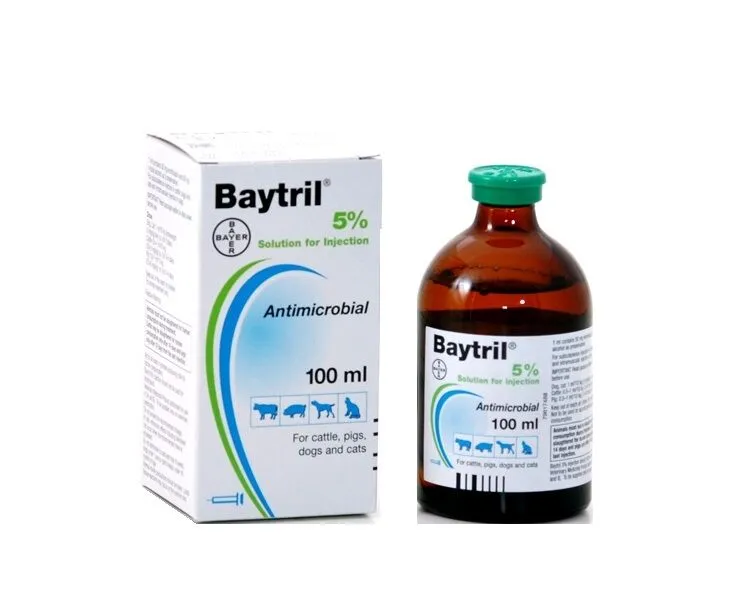
What is Baytril? The Veterinarian’s Guide to Enrofloxacin for Dogs
What is Baytril? The Veterinarian’s Guide to Enrofloxacin for Dogs
Baytril®, known generically as enrofloxacin, is one of the most commonly prescribed antibiotics for dogs and cats suffering from bacterial infections. This in-depth guide covers everything you need to know about using this important veterinary medicine.
As a pet owner, you may have heard your vet mention Baytril as a treatment option. Understanding what this drug is used for, potential side effects, proper administration, and more can help ensure your furry friend gets the most effective treatment.
An Overview of Enrofloxacin (Baytril®)
Baytril contains the antibiotic compound enrofloxacin, which belongs to a class called fluoroquinolones. It works as a broad-spectrum antibiotic that fights bacterial infections by blocking the replication and repair of bacterial DNA.
Some key features of enrofloxacin:
- Broad-spectrum: Effective against many types of bacteria
- Bactericidal: Kills bacteria directly rather than just slowing growth
- High bioavailability: Reaches therapeutic concentrations in body tissues and fluids
These properties make enrofloxacin an excellent choice for treating skin infections, respiratory infections, urinary tract infections (UTIs), and more in dogs and cats.
What is Baytril Used to Treat?
Baytril is FDA approved to treat infections responsive to enrofloxacin in dogs, specifically:
- Skin infections (wounds, abscesses, pyoderma)
- Respiratory infections (pneumonia, tonsillitis)
- Urinary tract infections
It has also been prescribed off-label by veterinarians to treat:
- Infections in cats
- Infections in exotic pets (birds, reptiles)
- Osteomyelitis
- And more…
So in dogs and cats, Baytril is an invaluable medication for fighting bacterial diseases from common skin conditions to serious, systemic infections requiring hospitalization.
Appropriate Use of Enrofloxacin in Dogs and Cats
Because enrofloxacin is such a potent antibiotic, Baytril should be used under the guidance of a licensed veterinarian. There are important considerations for safely administering and monitoring pets on this medication.
Baytril Dosage and Administration
The typical dosage of Baytril tablets for adult dogs is 2.5-5 mg per pound, given once daily. For convenience, dosing is usually rounded to the nearest tablet size.
Baytril is also available as an injectable solution that vets administer for more critical hospitalized cases.
Some key administration guidelines per the FDA:
- Give with food to avoid GI upset
- Ideally, give tablets on an empty stomach for better absorption
- Treatment duration is generally 5-14 days depending on the infection
- Paste/injectable formulations for easier dosing in cats
Is Baytril Safe? Potential Side Effects
While extremely useful against bacterial infections, Baytril does come with some risks of side effects to be aware of:
- Cartilage issues in large breed, growing puppies
- Central nervous system problems like seizures and tremors
- GI problems (lack of appetite, vomiting, diarrhea)
- Liver or kidney damage with long-term use
These risks are why veterinarian oversight is so important when using enrofloxacin. They can monitor dogs closely and ensure appropriate dosage and treatment duration.
Case Studies: When is Baytril Prescribed?
Seeing real usage examples can help give context for how vets utilize Baytril to treat bacterial diseases in dogs and cats:
Respiratory Infection in 9 Year Old Lab
- Presented with fever, cough, labored breathing
- Diagnosed with bacterial pneumonia after chest imaging
- Prescribed Baytril tablets 22.7mg PO BID for 2 weeks
- Recovered after antibiotic treatment without complications
Post-Spay Incision Infection in Kitten
- Noticed redness/discharge around incision 5 days after spay
- Vet diagnosed a superficial skin infection near the surgical site
- Treated with Baytril paste PO SID for 1 week
- Incision healed without the need for resuturing
Baytril was an effective option in both cases because secondary infections could become more serious if not treated quickly with an aggressive antibiotic.
Wrapping Up Key Takeaways
The most important things for pet owners to remember about enrofloxacin antibiotic tablets like Baytril® are:
- Reserved for bacterial diseases responsive to fluoroquinolones
- Requires veterinary prescription and oversight
- Monitor carefully for side effects
- Follow dosing instructions precisely
- Useful against a wide range of infections
With judicious and appropriate use under a vet’s care, Baytril can safely and effectively treat many common bacterial infections plaguing our furry companions. Understanding what this medication is used for and how it works allows pet owners to support their pets’ treatment plans better.


Add comment
You must be logged in to post a comment.