



Always Free Delivery
Email:sales@petshopboss.com
Worldwide delivery

Veraflox 60mg Pradofloxacin Tablets for Dogs (7 Tablets) – For Medium Dogs 15–30 kg
$59
Veraflox 60mg contains pradofloxacin, a 3rd-generation fluoroquinolone antibiotic for medium-sized dogs (15–30 kg). Once-daily oral tablets treat skin infections (surface and deep pyoderma), wound infections, urinary tract infections, and severe periodontal disease. For dogs only — do not use the tablet form in cats.
49 people are viewing this product right now
🔥 7 items sold in last 3 hours
Hot Items
-

-
-
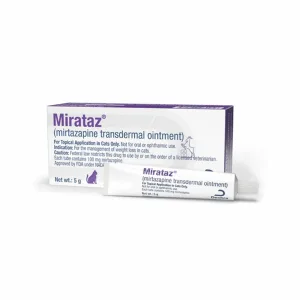
Mirataz For Cats (Mirtazapine Transdermal Ointment)
Original price was: $65.$59Current price is: $59.


What Is Veraflox 60mg?
Veraflox 60mg contains pradofloxacin 60mg per tablet, a third-generation fluoroquinolone antibiotic developed by Bayer Animal Health (now Elanco) specifically for dogs. Unlike first- and second-generation fluoroquinolones such as enrofloxacin, pradofloxacin has an extended spectrum of activity that includes anaerobic bacteria — making it particularly effective for periodontal and deep wound infections where anaerobic pathogens are commonly involved.
Veraflox 60mg is a dogs-only formulation. For cats, a separate product exists (Veraflox Oral Suspension 2.5%). The 60mg tablet strength is suited to medium-sized dogs weighing 15–30 kg. Larger dogs (30–80 kg) should use the 120mg tablet.
How Pradofloxacin Works
Pradofloxacin is bactericidal — it kills bacteria rather than simply stopping their growth. It works by simultaneously inhibiting two essential bacterial enzymes: DNA gyrase and topoisomerase IV. Both are required for bacterial DNA replication and transcription. By blocking both targets, pradofloxacin prevents bacteria from copying their genetic material and functioning, leading to rapid cell death. Targeting two enzymes simultaneously also significantly reduces the likelihood of resistance developing during treatment compared to agents that target only one.
The drug is well absorbed orally, reaching peak serum concentrations within 1–2 hours of administration. It distributes broadly throughout body tissues, achieving effective concentrations in skin, soft tissue, and urinary tract.
Target Bacteria
Veraflox 60mg is active against the following pathogens in dogs:
- Staphylococcus intermedius group (including S. pseudintermedius) — the primary cause of canine pyoderma and wound infections
- Escherichia coli — the most common cause of acute bacterial UTI in dogs
- Porphyromonas spp. and Prevotella spp. — key anaerobic pathogens in periodontal disease (unique advantage of pradofloxacin vs older fluoroquinolones)
Indications for Use in Dogs
- Surface pyoderma (superficial bacterial skin infection caused by Staphylococcus intermedius group)
- Deep pyoderma (deeper skin infection, including furunculosis and cellulitis)
- Wound infections (including post-surgical and traumatic wounds)
- Acute urinary tract infections (UTI) caused by E. coli or Staphylococcus intermedius group
- Severe gingivitis and periodontal disease (as an adjunct to mechanical or surgical periodontal therapy — not a replacement for dental cleaning)
Dosage for Dogs — Veraflox 60mg Tablets
The recommended dose is 3.0 mg/kg body weight once daily (range 3.0–4.5 mg/kg). For medium dogs in the 15–30 kg range, the 60mg tablet provides the correct dose. Larger dogs (30 kg+) should switch to Veraflox 120mg tablets.
| Dog Body Weight (kg) | Veraflox 60mg Tablets | Dose Range (mg/kg) |
|---|---|---|
| 15–20 kg | 1 tablet | 3.0–4.0 mg/kg |
| 20–30 kg | 1.5 tablets | 3.0–4.5 mg/kg |
For dogs under 15 kg, use Veraflox 15mg tablets (not stocked here). For dogs over 30 kg, see Veraflox 120mg.
Duration of Treatment by Indication
| Indication | Duration |
|---|---|
| Surface pyoderma | 14–21 days |
| Deep pyoderma | 14–35 days |
| Wound infections | 7 days |
| Acute urinary tract infection | 7–21 days |
| Severe periodontal disease (adjunct) | 7 days |
Reconsider diagnosis if no improvement is seen within 3–4 days of starting treatment.
Administration
Give orally once daily. Tablets are scored and can be halved. Veraflox tablets can be given with or without food. Confirm the dog’s weight as accurately as possible to avoid underdosing, which risks treatment failure and resistance development.
Contraindications
- Do not use in dogs during the growth period: under 12 months for most breeds, under 18 months for giant breeds. Fluoroquinolones can damage developing joint cartilage in young animals.
- Do not use in dogs with existing articular cartilage lesions — fluoroquinolones may worsen the condition
- Do not use in dogs with CNS disorders, including epilepsy — fluoroquinolones may lower the seizure threshold and precipitate seizures in predisposed animals
- Do not use in animals with known hypersensitivity to fluoroquinolones
- Do not use in pregnant, breeding, or nursing females without veterinary assessment of risk vs benefit
Drug Interactions
| Drug / Supplement | Interaction | Action |
|---|---|---|
| Antacids containing Mg, Ca, Al; dairy products; iron or zinc supplements | Chelation reduces pradofloxacin absorption | Give Veraflox at least 2 hours before or after these |
| Sucralfate | Binds pradofloxacin in the gut, reducing absorption | Separate dosing by at least 2 hours |
| Theophylline | Pradofloxacin raises theophylline blood levels | Monitor theophylline levels; dose reduction may be needed |
| Cyclosporine | Mutual interaction; increased toxicity risk | Avoid concurrent use |
| Oral anticoagulants (e.g. warfarin) | Pradofloxacin may enhance anticoagulant effect | Monitor clotting times closely |
| Cimetidine | Inhibits pradofloxacin metabolism | Use with caution |
Side Effects
- Mild, transient gastrointestinal signs (vomiting, reduced appetite) — most common, usually resolve without discontinuing treatment
- CNS stimulation or seizures — rare; avoid in epileptic dogs
- Joint/cartilage effects — at therapeutic doses in adults, rare; much higher risk in growing dogs
Storage
- Store below 25°C, protected from light and moisture
- Keep in original blister packaging until use
Frequently Asked Questions
What is the difference between Veraflox 60mg and Veraflox 120mg?
Both contain pradofloxacin and are dosed at 3mg/kg once daily. The 60mg tablet is for medium dogs (15–30 kg) — 1 or 1.5 tablets provides the correct dose. The 120mg tablet is for larger dogs (30–80 kg), where using 60mg tablets would require impractical numbers of tablets per dose.
Can Veraflox 60mg tablets be used in cats?
No. Veraflox tablets (any strength) are for dogs only. For cats, the correct product is Veraflox Oral Suspension (pradofloxacin 2.5%). Using the tablet form in cats is not appropriate and the tablet doses are formulated for canine body weights and metabolism.
How long does Veraflox treatment last for pyoderma in dogs?
Surface pyoderma: 14–21 days. Deep pyoderma (furunculosis, cellulitis): 14–35 days. Treatment must continue for the full prescribed duration even if the skin looks better earlier — stopping early risks relapse and resistance. If there is no improvement within 3–4 days, the diagnosis should be re-evaluated.
Can I give Veraflox with my dog’s food?
Yes — unlike the cat oral suspension, Veraflox tablets for dogs can be given with or without food. Avoid giving simultaneously with dairy products, antacids, or iron/zinc supplements as these can reduce absorption.
Also available: Veraflox 120mg Tablets (large dogs 30–80 kg) | Veraflox Oral Suspension (cats) | Synulox RTU Injectable (amoxicillin + clavulanate)
You must be logged in to post a review.




Reviews
There are no reviews yet.